

The journey of gambling tracing its historical evolution through time
The Origins of Gambling
The origins of gambling can be traced back to ancient civilizations, where games of chance were often tied to cultural and religious practices. Evidence of early gambling activities has been discovered in ancient Mesopotamia, where dice made from animal bones were found dating back to around 3000 BC. These primitive games served not only as entertainment but also as a means of divination, revealing how closely intertwined gambling was with the human experience from the very beginning. In modern times, many players choose to play games at Wild Robin, which offers a variety of options for enthusiasts.

In ancient China, the invention of tiles resembling modern-day lottery games is believed to have contributed to the development of gambling as a structured activity. By the time of the Han Dynasty, around 200 BC, gambling had evolved into a popular pastime among the elite. The expansion of trade routes during this era allowed the spread of gambling practices, establishing a foundation for the diverse games we know today, like poker and various card games.
The Romans also played a crucial role in the evolution of gambling, adopting games from conquered territories and integrating them into their culture. They popularized betting on chariot races and gladiatorial contests, highlighting how gambling was not merely a leisure activity but also an integral part of social life. Through these ancient civilizations, the concept of gambling began to take on a more organized form, setting the stage for its future development.
The Middle Ages and the Birth of Modern Gambling
As we move into the Middle Ages, gambling saw significant transformation, particularly in Europe. The establishment of gambling houses and early forms of organized betting marked a pivotal shift. The first recorded betting house was established in England in the 16th century, facilitating various games, including dice and card games. This period also witnessed the development of the first official gambling regulations, highlighting society’s growing interest in curbing excesses associated with gambling.
The invention of playing cards in the 14th century further revolutionized gambling practices. Originating in Asia and making their way to Europe, cards led to a variety of new games, including bridge and blackjack, which are still popular today. The standardization of card games contributed to their widespread appeal, making gambling more accessible to different social classes, thus solidifying its position in European culture.
In addition to card games, lottery systems began to take shape during this period, often organized by governments to raise funds for public projects. This early form of state-sponsored gambling established a crucial link between governance and gambling, foreshadowing how modern governments would come to regulate and capitalize on the activity in the centuries to follow. Overall, the Middle Ages were instrumental in shaping gambling into a more formal and socially integrated activity.
The Rise of Casinos and Legalization
The 17th century marked the establishment of the first official casinos, particularly in Italy. The Ridotto, opened in Venice in 1638, was the first government-sanctioned gambling house, setting a precedent for modern casinos. As the popularity of gambling soared, more establishments began to emerge across Europe, each offering various games, from roulette to baccarat. This period signified the transition of gambling from informal gatherings to more organized venues, further cementing its cultural significance.
The 19th century brought about a wave of legalization and regulation across Europe and the United States. The Gold Rush in America coincided with the rise of gambling, particularly in the form of saloons and betting houses that flourished in the western territories. The establishment of regulations aimed to curb illegal gambling activities allowed casinos to thrive, attracting a new demographic of players and leading to the development of iconic gaming destinations like Las Vegas.
The emergence of slot machines in the late 19th century added another layer to the gambling landscape. These machines offered a new form of entertainment, requiring no skill or strategy, thus appealing to a broader audience. The integration of technology into gambling practices marked a significant milestone, paving the way for the modern gaming experience characterized by innovation and excitement.
The Digital Revolution and Online Gambling
The advent of the internet in the late 20th century revolutionized gambling, introducing online casinos that expanded the industry’s reach beyond physical locations. By the late 1990s, the first online gambling sites emerged, allowing players to enjoy games from the comfort of their homes. This shift not only transformed the way people engaged with gambling but also challenged existing regulations as jurisdictions grappled with how to regulate an industry that spanned multiple borders.
The rapid growth of online gambling led to the creation of numerous platforms, each offering diverse games and betting options. This new model attracted a younger audience and made gambling more accessible than ever. Innovative technologies, such as live dealer games, provided players with a more immersive experience, mimicking the atmosphere of traditional casinos while retaining the convenience of online play.
As technology continued to evolve, mobile gambling became increasingly popular, allowing players to place bets and engage with games via smartphones and tablets. This mobile revolution further solidified the role of technology in gambling, as operators developed user-friendly interfaces and secure payment methods to enhance the overall player experience. Today, online gambling is a multi-billion-dollar industry, demonstrating how far gambling has come from its humble beginnings.
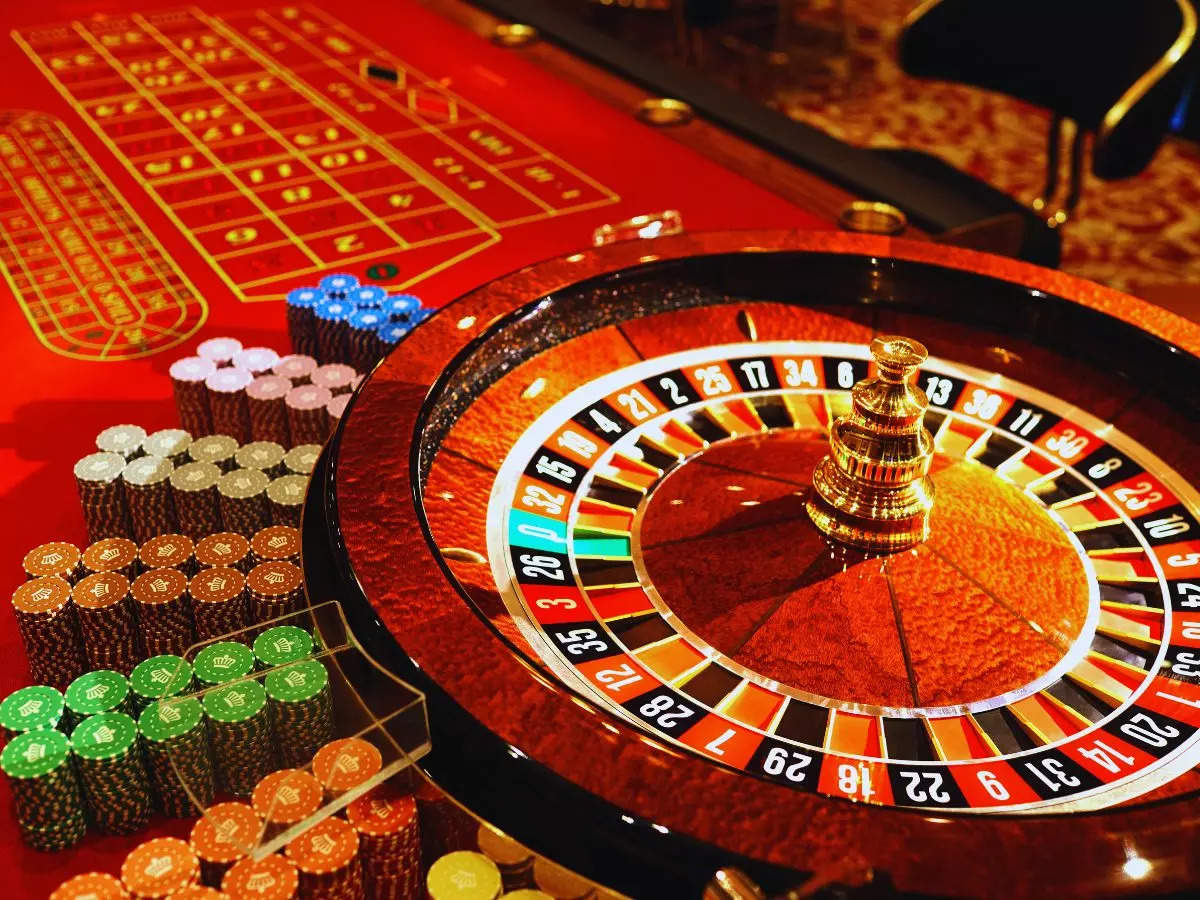
Wild Robin Casino: A Modern Gaming Destination
For those seeking a premier online gaming experience, Wild Robin Casino emerges as a top choice in Canada. This platform boasts an impressive collection of over 9,200 games, including slots, table games, and live dealer experiences. Designed for user convenience, Wild Robin Casino offers seamless mobile access, allowing players to enjoy their favorite games anytime, anywhere. Additionally, the latest Wildrobin casino review shows how its offerings are tailored specifically for Canadian players.
Moreover, Wild Robin Casino provides attractive welcome bonuses to new players, offering a 100% bonus up to $750 and 200 free spins, making it an enticing option for those looking to enhance their gaming adventures. The site prioritizes safety and security, employing robust encryption methods to protect player information and transactions, thereby ensuring a safe gambling environment. Furthermore, the newcomers joining often explore various Wildrobin casino games to find their favorites.
In addition to its vast game selection and bonuses, Wild Robin Casino prides itself on exceptional customer service, available 24/7 to assist players with any inquiries or concerns. This dedication to customer satisfaction reflects the evolving expectations of modern gamblers, who seek not only entertainment but also reliable support. As the gambling journey continues to evolve, platforms like Wild Robin Casino represent the future of gaming, blending tradition with innovation for a rewarding experience.